
Visit our Showroom
1063 Ridge Rd.
West Seneca NY 14218
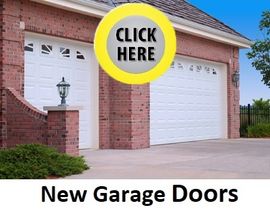
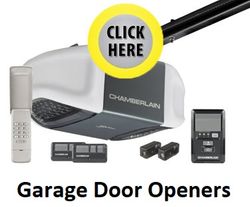
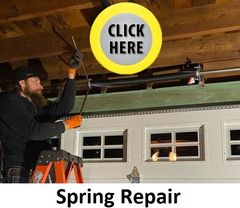





New Garage Doors
Garage Door Openers
Garage Door Repairs
Spring Repair
Best Warranty In the Industry:
Part of owning a C.H.I. garage door is knowing that you can rely on the industry’s best warranty as long as you are the original purchaser. C.H.I. has a reputation for manufacturing quality garage doors, so it only fits that our hassle-free warranty outperforms all other garage door installations—limited lifetime section warranty on new residential door installations and free estimates on new garage door replacement.
Locally family-owned and operated.
Enhance Appearance and Security:
The garage is an essential part of any home, and a well-maintained garage door and opener enhance the home's appearance and provide security. American Garage Doors Inc. offers a wide range of garage doors and openers that can significantly improve the look and security of any home.
Regarding the home's appearance, the garage door is one of the most prominent features. A new garage door from American Garage Doors Inc. can instantly transform the home's look. With various styles, colors, and finishes, homeowners can select a garage door that matches their home's aesthetic and enhances its curb appeal.
In addition to enhancing the home's appearance, a new garage door offers increased security. Garage doors are often the weakest entry point for intruders, and a sturdy, secure garage door can deter burglars and keep the home safe. American Garage Doors Inc. offers a range of garage doors built to withstand harsh weather conditions and potential break-ins.
Moreover, the garage door opener is also a crucial component of the home's security system. American Garage Doors Inc. offers a range of reliable and efficient garage door openers with the latest security features. With rolling code technology, homeowners can be assured that the code used to open their garage door is changed every time, making it virtually impossible for anyone to duplicate the code.
American Garage Doors Inc. also offers professional installation services for garage doors and openers. Their team of experts ensures that every installation is done correctly and efficiently, ensuring the garage door and opener function optimally and securely.
In conclusion, a new garage door and opener from American Garage Doors Inc. can enhance the appearance and security of any home. With various styles, colors, and finishes, homeowners can find a garage door that matches their home's aesthetic and increases its curb appeal. Additionally, the latest security features and reliable installation services provide peace of mind to homeowners that their home is secure and protected
Choosing The Right Door Company:
We at American Garage Doors are a family-owned and operated company proudly serving Western New York homeowner's businesses since 1989. Over the years, we've earned our reputation for excellence through our firm commitment to fast personal service, high-quality products, extremely competitive pricing, and timely deliveries. No one knows more about garage doors than we do at American garage doors.. After all, we've been serving Western New York homeowners and businesses since 1989 and are proud of it! When choosing the correct garage door repair or installation contractor in Western New York, check out our reviews: A+ B.B.B., five stars on Yelp, top-rated local, and a five-star rating on Google. We offer a vast selection of garage door replacements and repair services, and we do the job right the first time and offer affordable rates—the highest quality and services at down-to-earth prices. So, if you are looking for a new residential garage door or electric garage door opener, call us. We sell and install residential and commercial Liftmaster, Craftsman, Chamberlain garage door openers, and C.H.I. garage doors. We are only a phone call away from answering our online questionnaire, and we'll email you a quote. Your local garage door company has been near you for over thirty years.
Our Company:
American Garage Doors Inc. is a prominent garage door company based in Western New York. Since its inception, the company has provided exceptional garage door services to regional residential and commercial clients.
One of the standout features of American Garage Doors Inc. is their commitment to quality. The company uses only the best materials and employs skilled technicians to ensure every project is completed to the highest standard. This dedication to quality has earned American Garage Doors Inc. a reputation as a trusted and reliable service provider in the region.
Another critical factor in the company's success is its range of services. American Garage Doors Inc. offers various garage door solutions, including installation, repair, and maintenance services. Whether it's a residential garage door or a commercial garage door, the company has the expertise and equipment to handle the job.
Moreover, American Garage Doors Inc. places a strong emphasis on customer service. The American Garage Doors Inc. team is friendly and knowledgeable, and they work closely with clients to understand their specific needs and preferences. This personalized approach ensures clients receive a garage door solution tailored to their unique requirements.
Overall, American Garage Doors Inc. is a leading garage door company in Western New York, and their commitment to quality, range of services, and customer service make them a top choice for clients in the region.
We Love What We Do:
American Garage Doors is passionate about providing high-quality garage door services to its customers in Western New York. The company takes pride in its work and strives to deliver exceptional customer service. American Garage Doors has served the community from installation to repair and maintenance for many years.
One of the reasons why American Garage Doors loves what they do is the opportunity to work with their customers. They understand that garage doors are essential to any home, and they take the time to listen to their customers' needs and concerns. By doing so, they can offer tailored solutions that best suit their customers' requirements.
Another reason American Garage Doors is passionate about what they do is the satisfaction they get from providing excellent service. The company is committed to delivering quality workmanship, and they use only the best materials and tools available to ensure the job is done right the first time. Their attention to detail and commitment to quality sets them apart from the competition.
American Garage Doors also loves what they do because of the relationships they build with their customers. They believe in establishing a personal connection with their clients, which helps to build trust and loyalty. This approach has earned them a stellar reputation in the community, and many of their customers are repeat business or referrals from satisfied clients.
In addition to their commitment to customer service, American Garage Doors is passionate about giving back to the community. They are involved in several local charities and organizations and believe in supporting the community that has supported them for many years.
In conclusion, American Garage Doors is a company that loves what they do in Western New York. Their commitment to quality, customer service, and community involvement sets them apart. They are passionate about providing excellent service and building customer relationships, which shows in everything they do.
Installations and Repairs:
Garage doors are an essential component of any modern residential or commercial property. They not only enhance the curb appeal of your property but also provide security to your belongings stored inside the garage. With the rise in the number of properties being constructed daily, the demand for garage doors has increased. American Garage Doors is a well-known name in the industry that provides its customers with top-notch garage door installation and repair services.
Installing a garage door is not easy and requires expertise, experience, and specialized tools. American Garage Doors has a team of professionals trained and certified in installing all types of garage doors, including sectional, roller, and custom-made doors. They have the knowledge and experience to assess your property's needs and recommend the best garage door to suit your requirements.
Regarding garage door repair, American Garage Doors is the go-to company. They understand the importance of a fully functional garage door and, therefore, provide timely repair services to ensure that your garage door is up and running in no time. They offer a wide range of repair services, including broken spring replacement, opener repair, cable replacement, and more.
One key factor that sets American Garage Doors apart is its commitment to using high-quality materials in its products and services. They only use top-quality, durable, and long-lasting materials, ensuring that your garage door remains in top-notch condition for years to come. They also offer a wide range of garage door designs and colors, enabling customers to choose a garage door that complements their property's overall aesthetic.
American Garage Doors also provides excellent customer service, with their team of professionals available to answer any questions or concerns that customers may have. They understand the importance of clear communication and ensure customers are informed throughout the installation or repair.
In conclusion, American Garage Doors is a company dedicated to providing its customers with the best garage door installation and repair services. They have become a leading name in the industry with a trained professional team, high-quality materials, and excellent customer service. American Garage Doors is the company to trust if you want to install or repair your garage door. So if you are looking for a garage door company "near me," call us for prompt, professional, affordable service.
Extension Spring Vs. Torsion Spring:
The spring counterbalances a garage door weight and allows an opener to pick it up smoothly and safely. We highly recommend that the homeowner not work on the springs; they are under extreme tension and hazardous—torsion spring versus extension. Torsion Springs are the way to go if you have the headroom to install them, which would be fifteen inches from the bottom of the header to the ceiling. Extension springs require twelve inches of headroom and don't balance the door as well. On average, a homeowner will get between eight and twelve years out of a standard 10,000-cycle torsion or extension spring, depending on how many times you use the door. Using the garage door twice a day, seven days a week for ten years, is a rule of thumb for a 10,000-cycle spring system that comes on a standard new garage door installation throughout the industry unless upgraded during a new door sale. Garage doors can be opened and closed by two types of springs: torsion springs and extension springs. Each type has its advantages and disadvantages.
Torsion springs are mounted above the garage door and are designed to balance the door's weight as it opens and closes. They work by winding and unwinding a tightly coiled spring when the door is operated. Torsion springs are typically considered more durable and longer-lasting than extension springs. They also require less space above the door, making them a better option for garages with limited headroom.
On the other hand, extension springs are located on either side of the garage door and stretch to provide the necessary tension to open and close the door. They are generally less expensive than torsion springs but have a shorter lifespan and are more prone to breakage. Additionally, extension springs require more space on either side of the door, which can be an issue for smaller garages.
Ultimately, the choice between torsion springs and extension springs depends on various factors, including garage door size, headroom size, and the homeowner's budget. It's always best to consult a professional garage door installer to determine the spring type you need.
Garage Door Safety Maintenance Checkup
Make an Appointment:
Your garage door is the largest moving object in your home. Proper installation maintenance and testing of your door and the opener are necessary to provide years of safe, trouble-free operation. Remember, an improperly adjusted garage door can exert deadly force when the door closes and could lead to serious injury. Protect your family and friends from potential harm. Make an appointment for a maintenance inspection today. Our service technicians have over 35 years of experience and know how to keep your door operational, safe, and effortless for the four years to come.
- Check the garage door balance: Disconnect the automatic opener and manually open the door halfway. If it stays in place, the door is balanced. If it falls or rises, the door is unbalanced and may need adjustment.
- Test the reversal system: Place an object like a brick or a roll of paper towels in the door's path. Close the door using the automatic opener. The door should reverse direction if it comes in contact with the object. If it doesn't, the reversal system may need adjustment.
- Inspect the tracks and rollers: Look for any visible damage, such as dents or cracks, and make sure the rollers move smoothly along the tracks.
- Test the auto-reverse feature: Place a piece of wood or a cardboard box in the door's path, then use the automatic opener to close the door. When the door comes in contact with the object, it should reverse direction automatically.
- Check the cables and springs: Look for any signs of wear or damage to the cables and springs. If you see any frayed cables or broken springs, it's best to call a professional to perform the repairs.
It's important to note that performing a garage door safety checkup is different than regular maintenance by a professional garage door service provider. Regular maintenance can help prevent more significant problems and ensure your garage door operates safely and smoothly.